The rest reconcile contractor spreadsheets and find out at year end what the program really cost.
One system for every project: budgets and approvals, framework contractors, long-lead procurement, records from site, compliance documentation. You can see where every project in the program stands, every day, from approval to handover.
Trusted by construction companies of every size, worldwide
Built for how capital programs actually get delivered
You commit the capex to the board and the regulator. Then the program runs through framework contractors, live networks and equipment on two-year lead times, and every month the forecast moves.
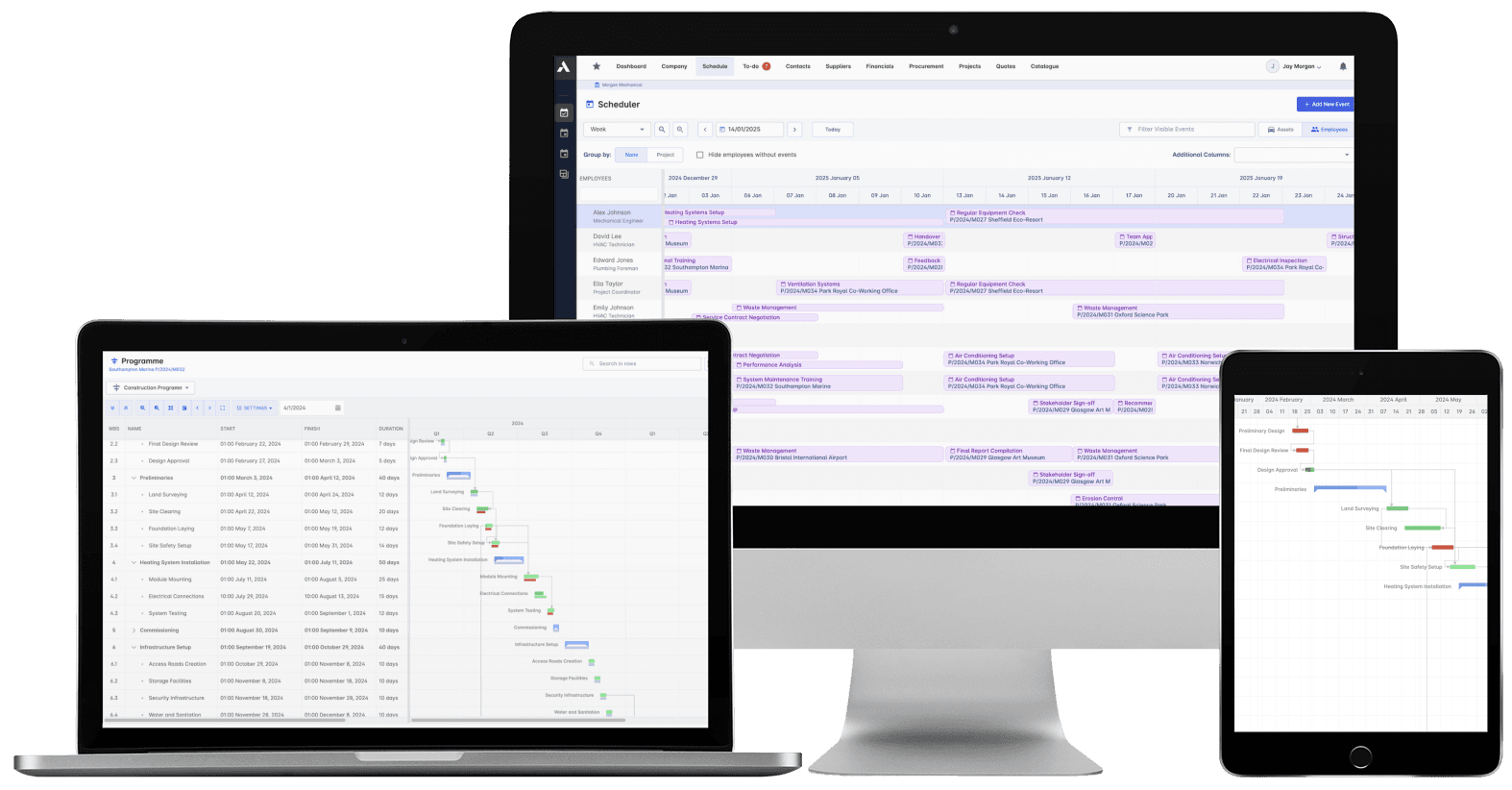
Every project in the program, one view
Upgrades, new connections and refurbishments across the estate sit in one schedule. Progress lands from every site daily, so slippage shows up the week it happens, and the program view the board sees is the same one your project managers run.
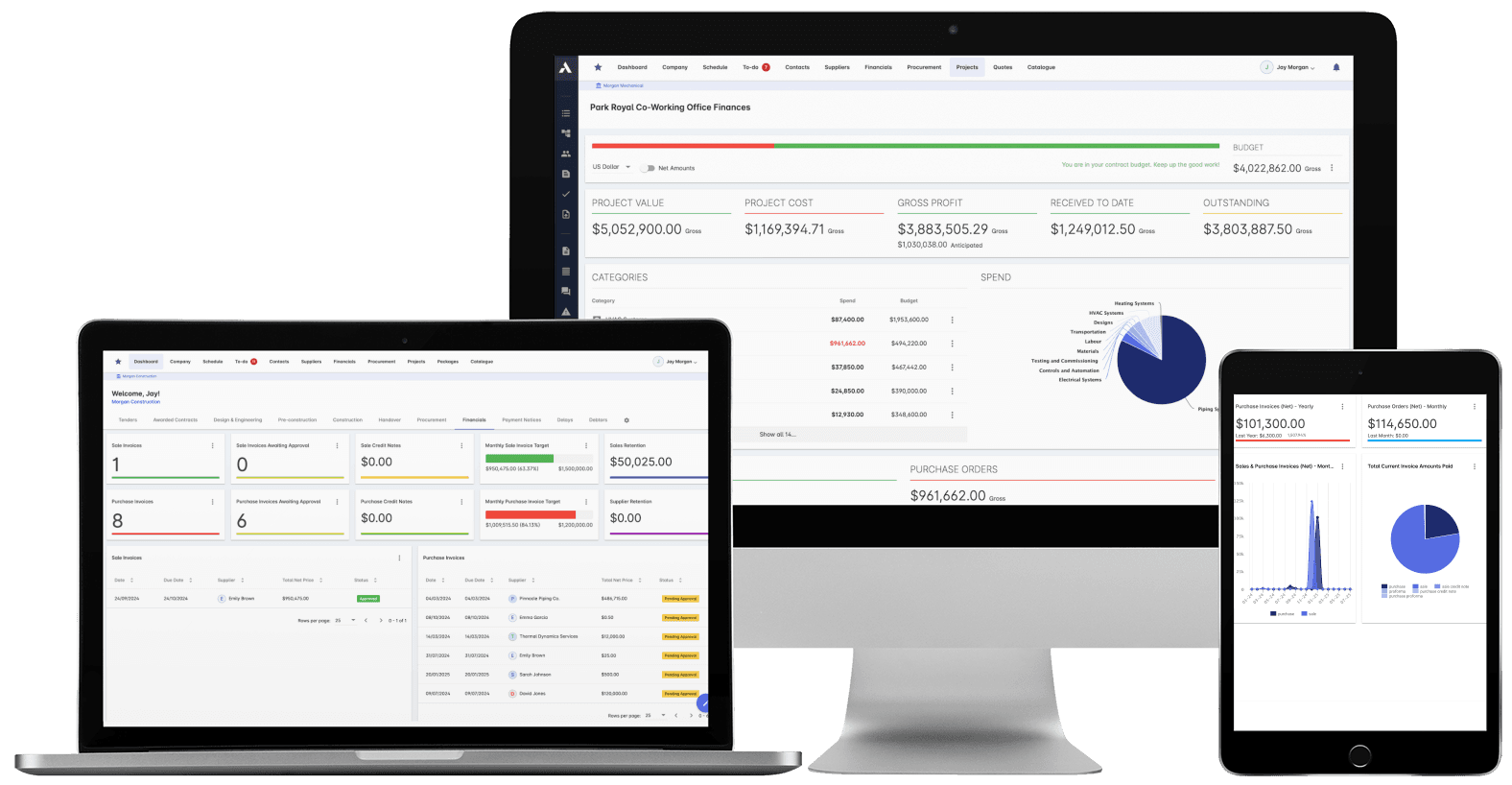
Forecast built from commitments, not returns
Every contractor appointment and every transformer on a two-year lead time hits the project as committed cost the day it is raised. Forecast final cost rolls up from project to program, so you see which projects will land over budget while there is still time to act.
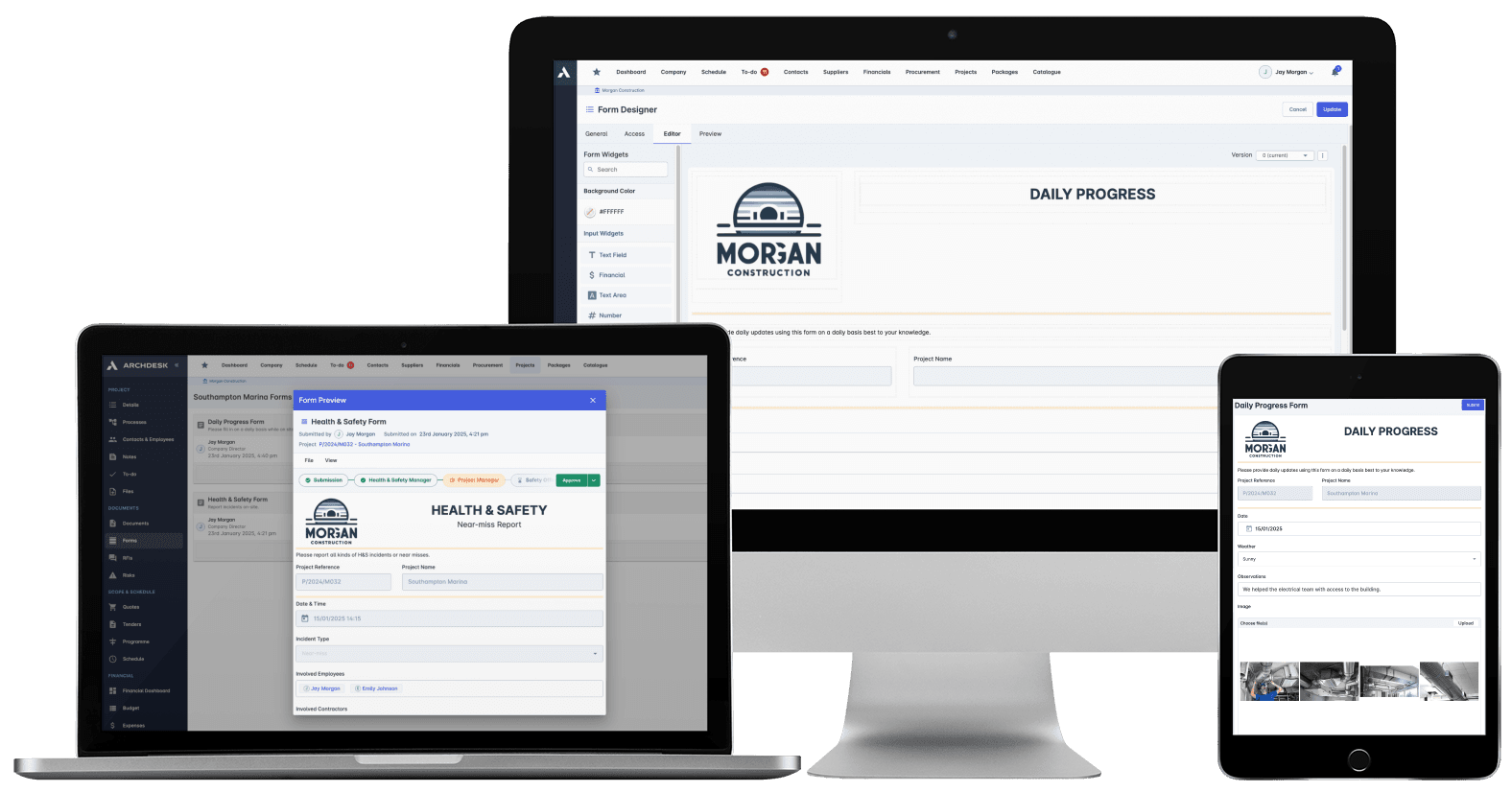
Evidence captured as the work happens
Inspections, test records and photo evidence land against each asset from the field, daily. The documentation your regulator and your operations team will ask for builds as you deliver, not in a scramble when the reporting deadline lands.
One system for the whole capital program
Archdesk is built for energy and utility asset owners delivering upgrades, new connections, renewables and decommissioning across an operational estate, whether delivery runs through framework contractors, EPC partners or internal teams. Program managers, project managers, cost engineers and finance work from the same records, so every project runs against an approved budget, every order lands as committed cost the day it is raised, and the evidence behind your program reporting builds as the work happens.
Working with delivery partners on your program? Archdesk also serves:
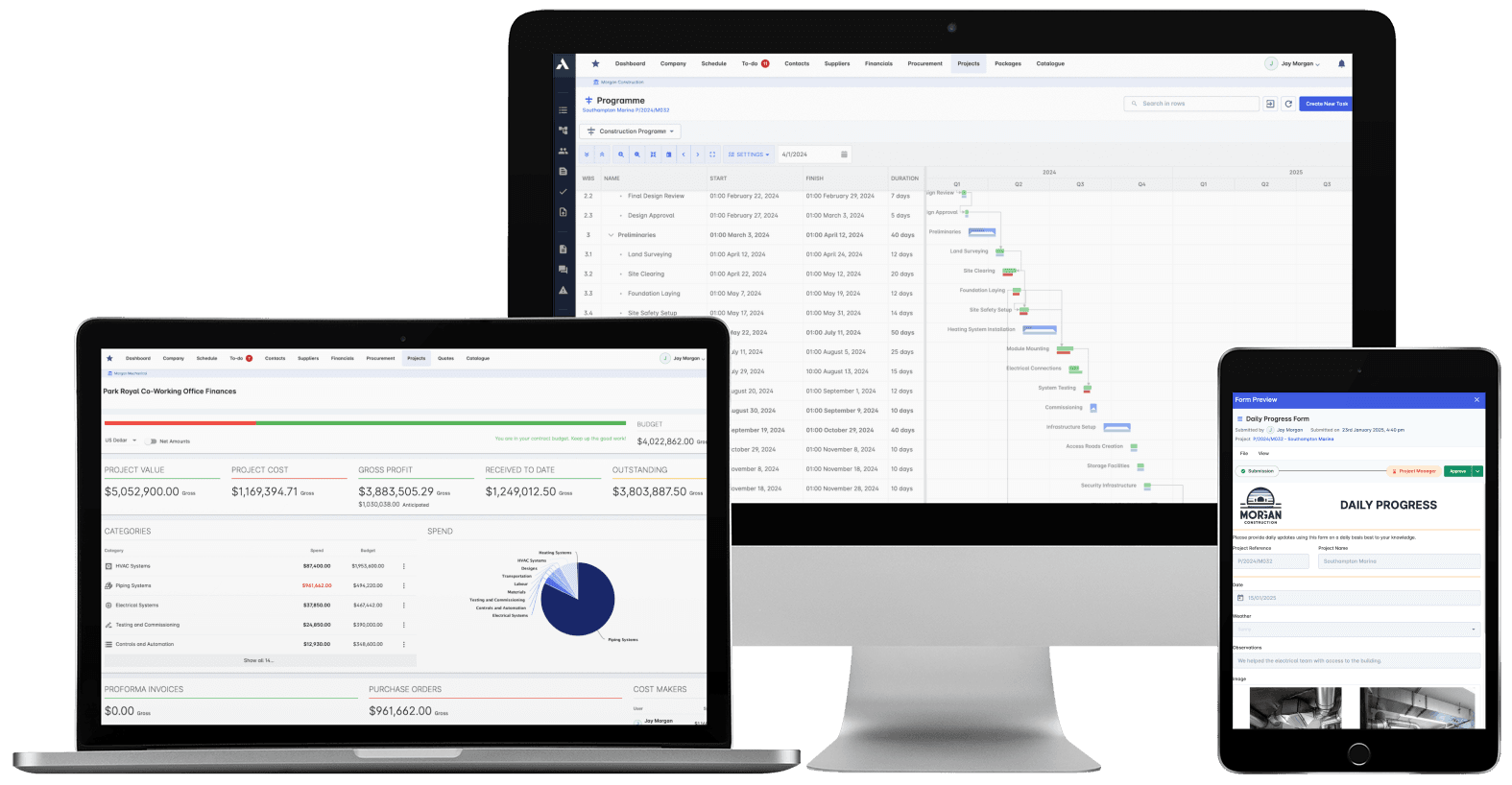
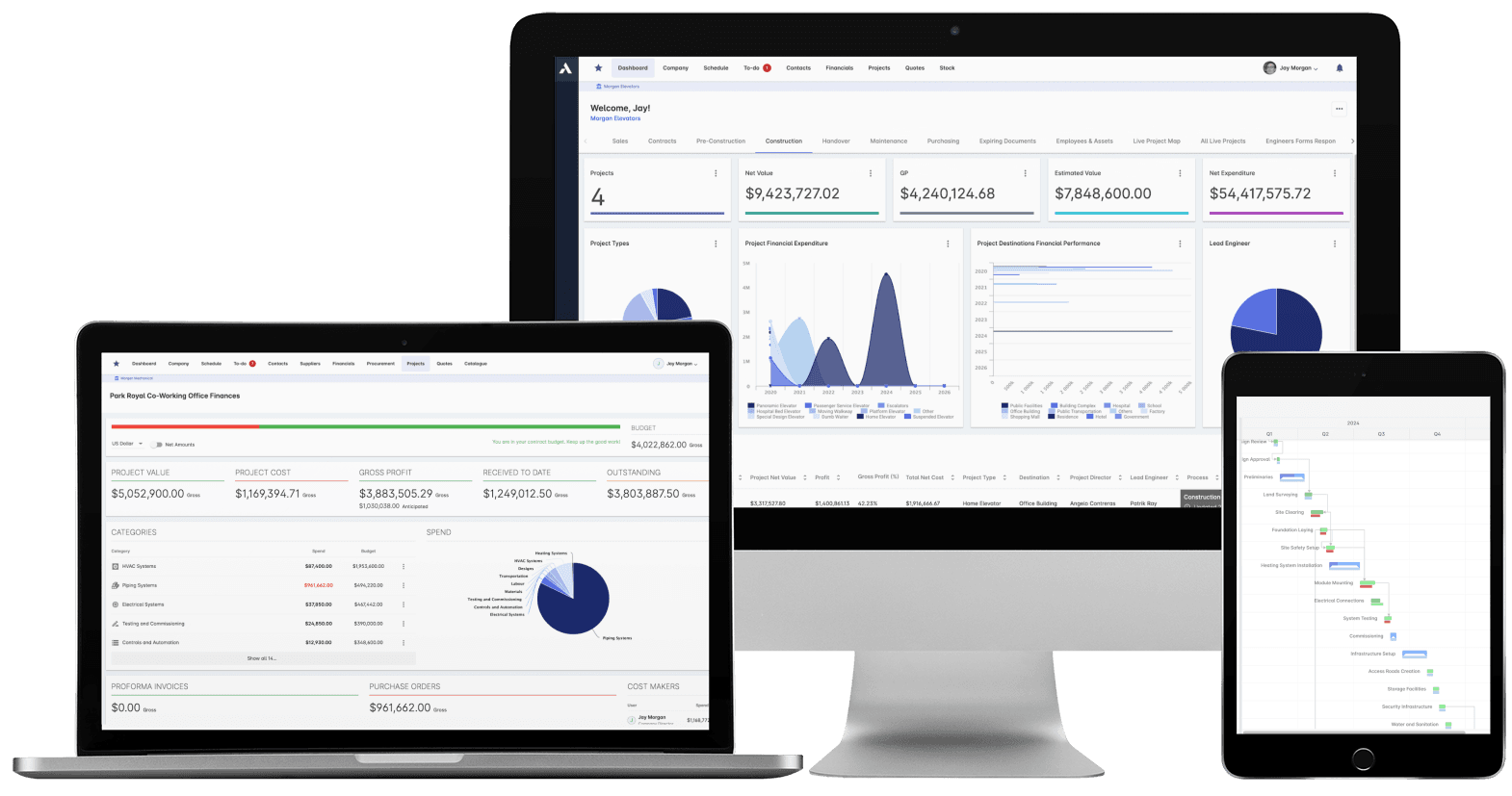
The whole program on one screen. Cost, progress and forecast roll up live from every project, so reporting to the board and the regulator starts from the records that ran the work, not from month-old returns.
One system from approval to closeout
The budget you approved and the cost you close out with are the same record. Every stage in between writes to it.
1
Plan & approve
The project scoped, budgeted and approved against the program, with the assumptions behind the number on the record.
2
Design & permitting
Design development tracked, with permits, landowner agreements and statutory approvals against the dates that gate the work.
3
Bid & appoint
Work put out to bid through frameworks or competitively, and the appointed price becomes the budget the project is tracked against.
4
Long-lead procurement
Transformers, switchgear and made-to-order equipment committed the day they are ordered, deliveries tracked against the dates they gate.
5
Construction & commissioning
Progress, cost and site records land daily from the field, with changes priced and approved before they are built.
6
Handover & closeout
As-builts, test certificates and warranties filed against the asset, final cost known, and the record kept for the life of the asset.
Solutions for a Modern Capital Program
Construction Job Costing
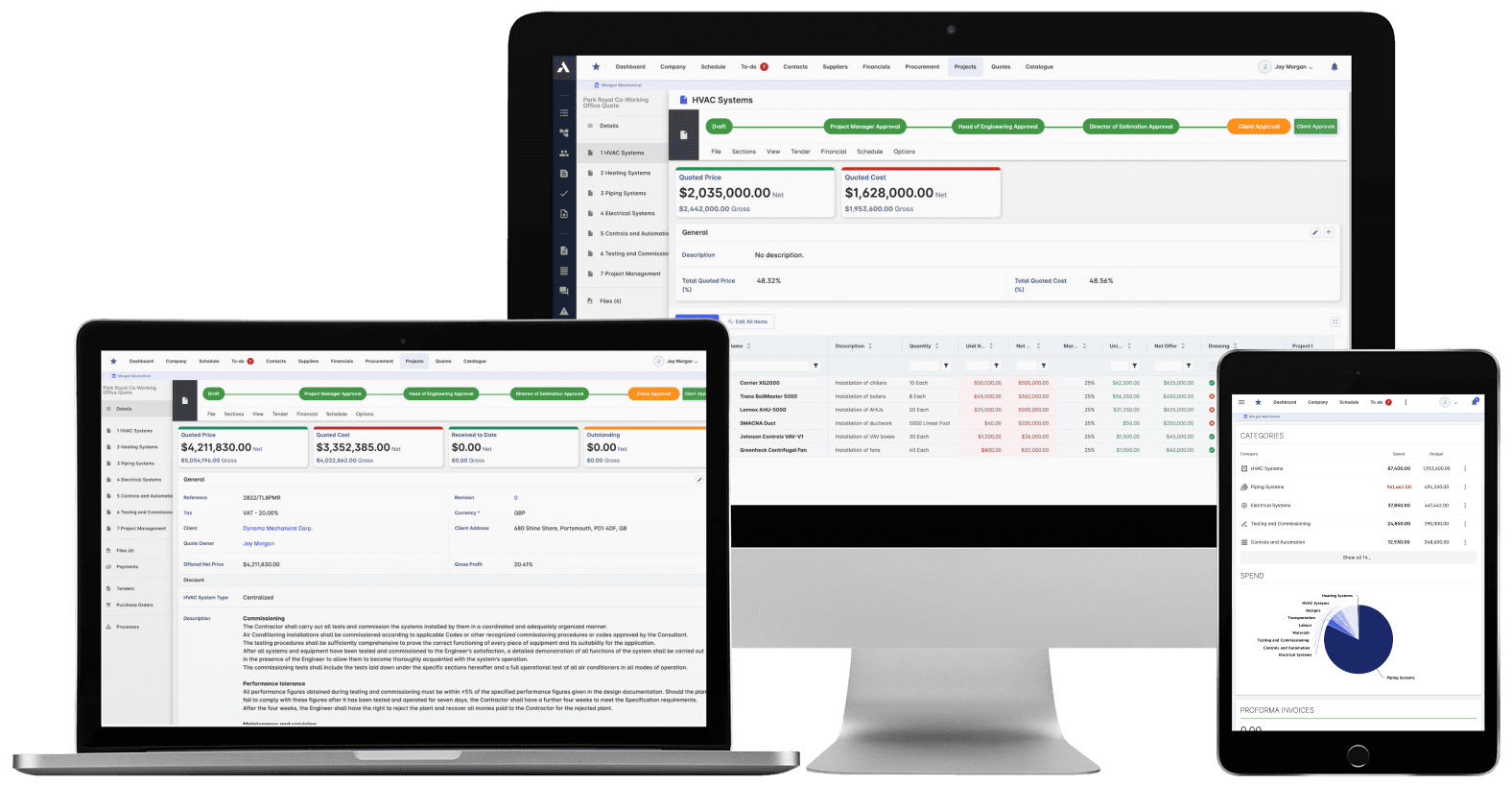
What you priced is what you track. The winning estimate becomes the budget, actuals land against it line by line, and what jobs really cost feeds the next bid.
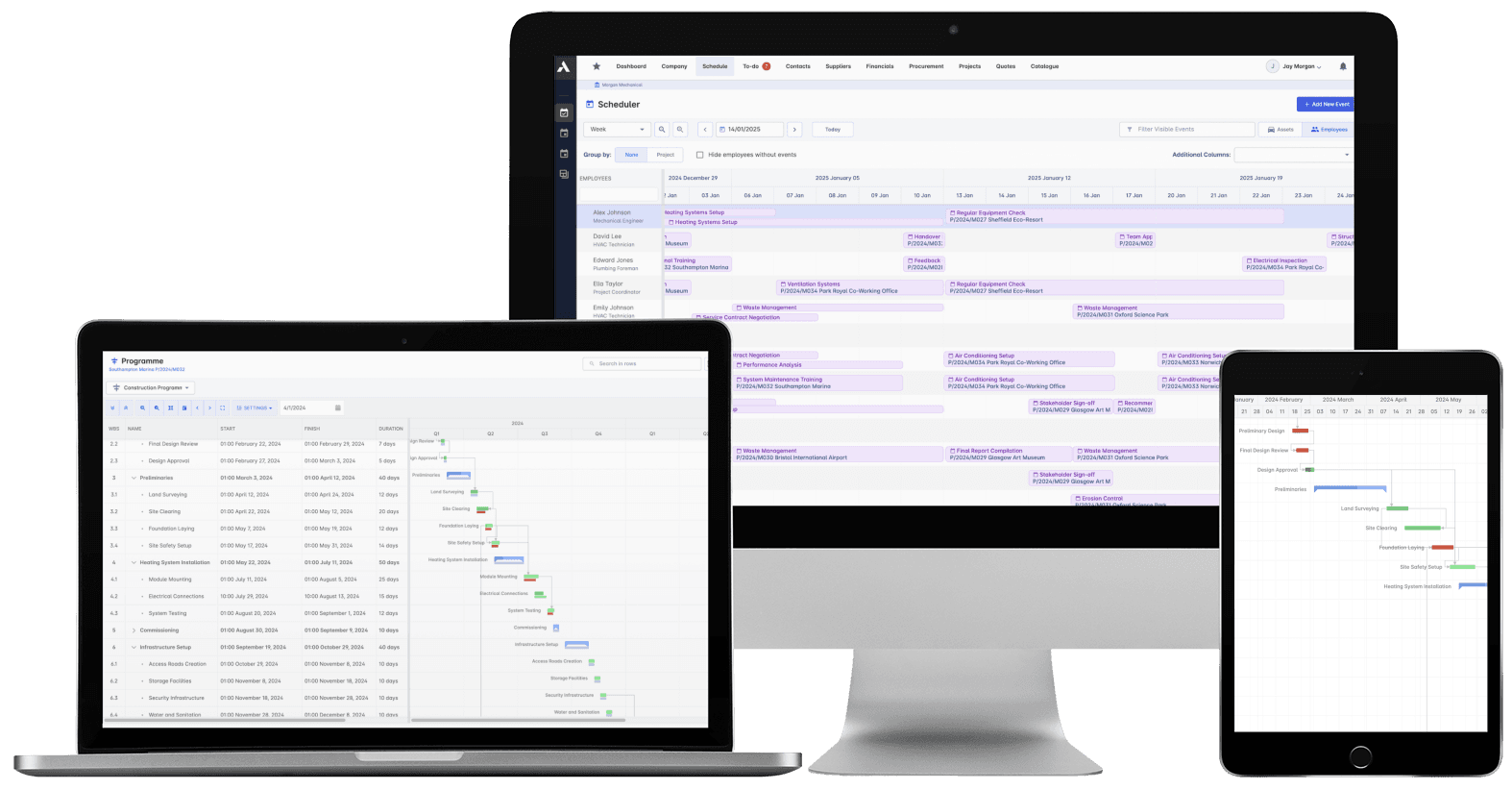
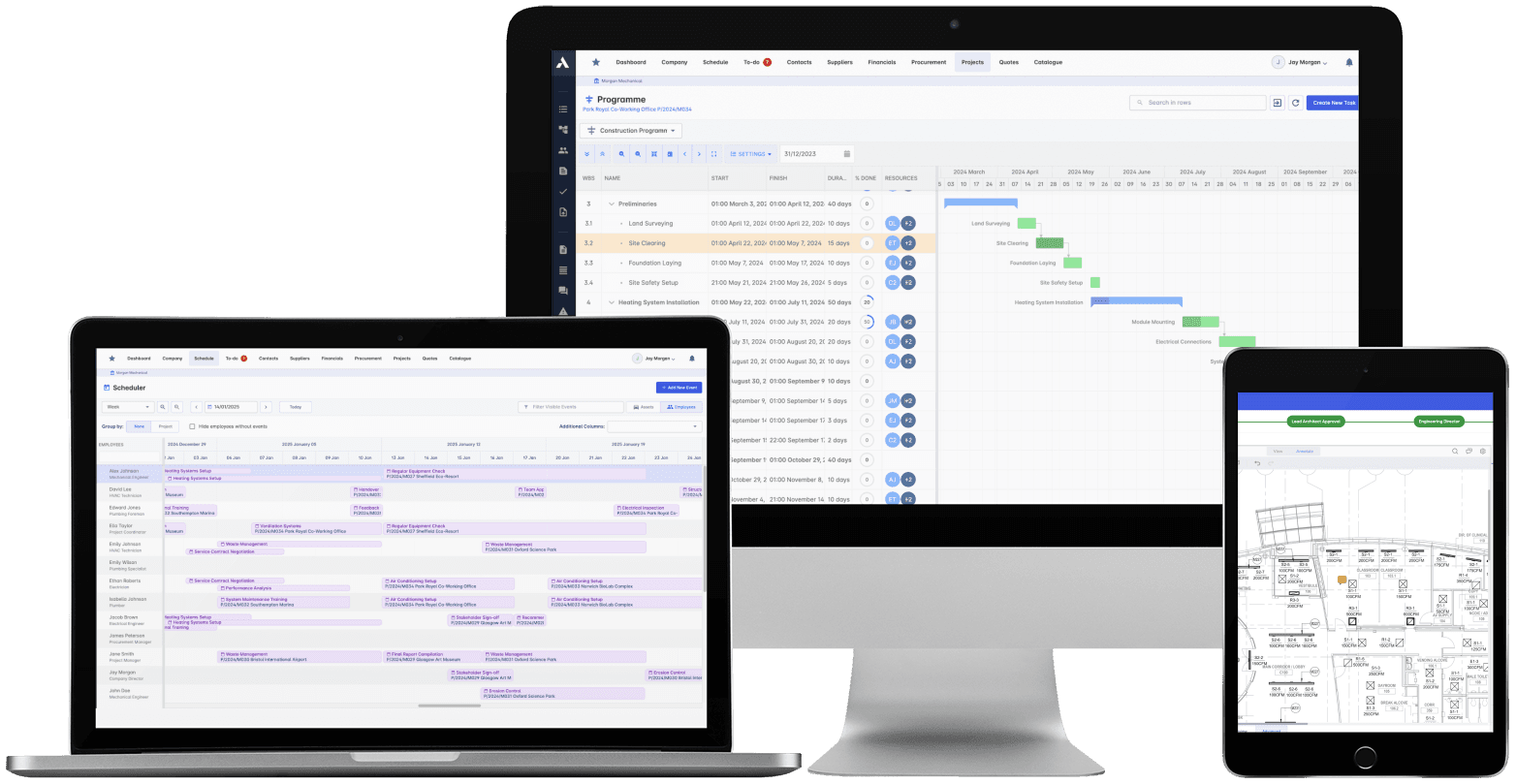
The schedule connected to what it depends on: long-lead deliveries on the tasks they gate, crews planned across every live job, slippage shown with its cost.
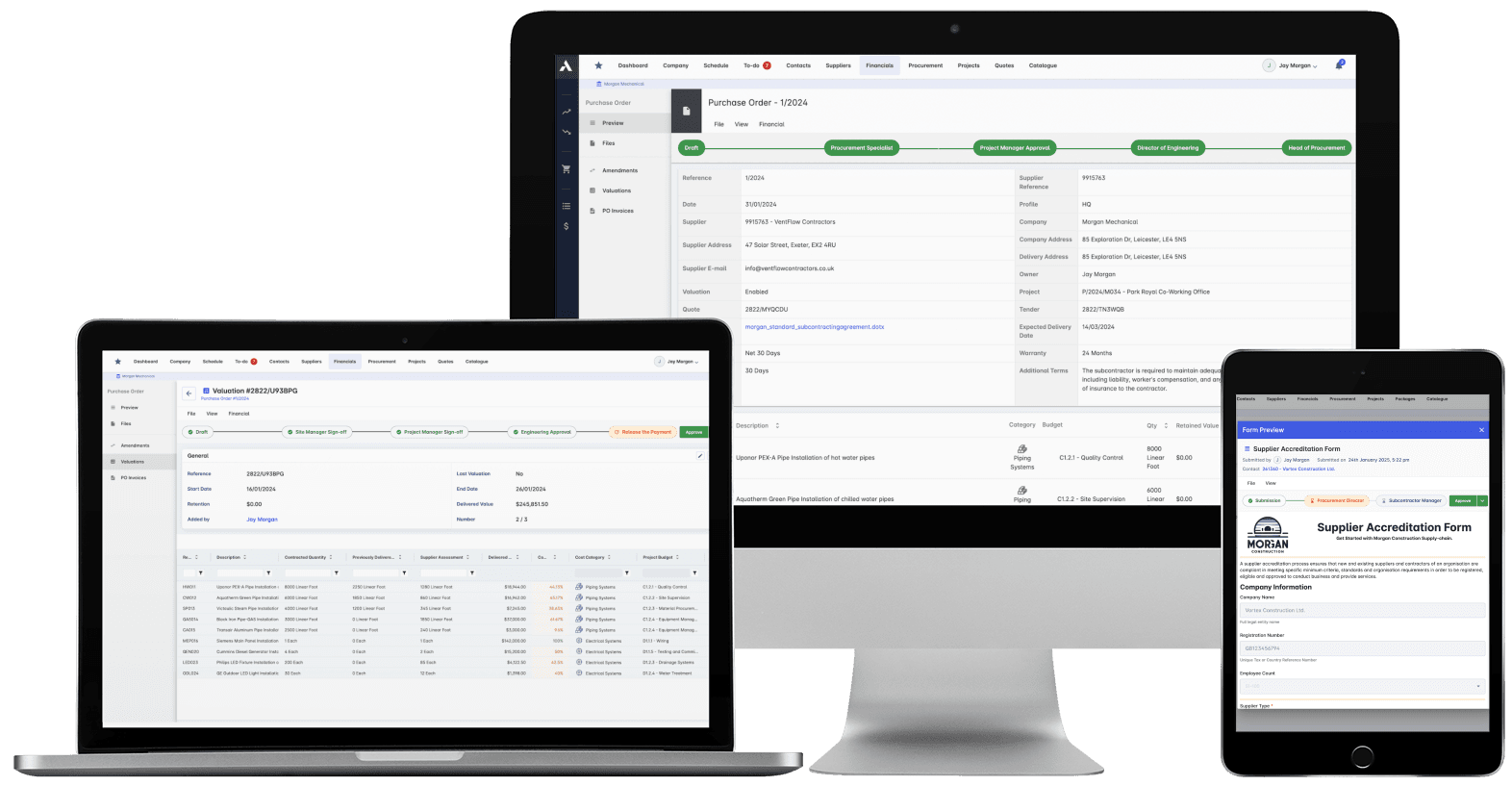
Buy-out without the gaps: RFQs from your BOQ lines, bids back comparable, exclusions visible before award. Then every PO and subcontract lands on the budget the moment it's raised.
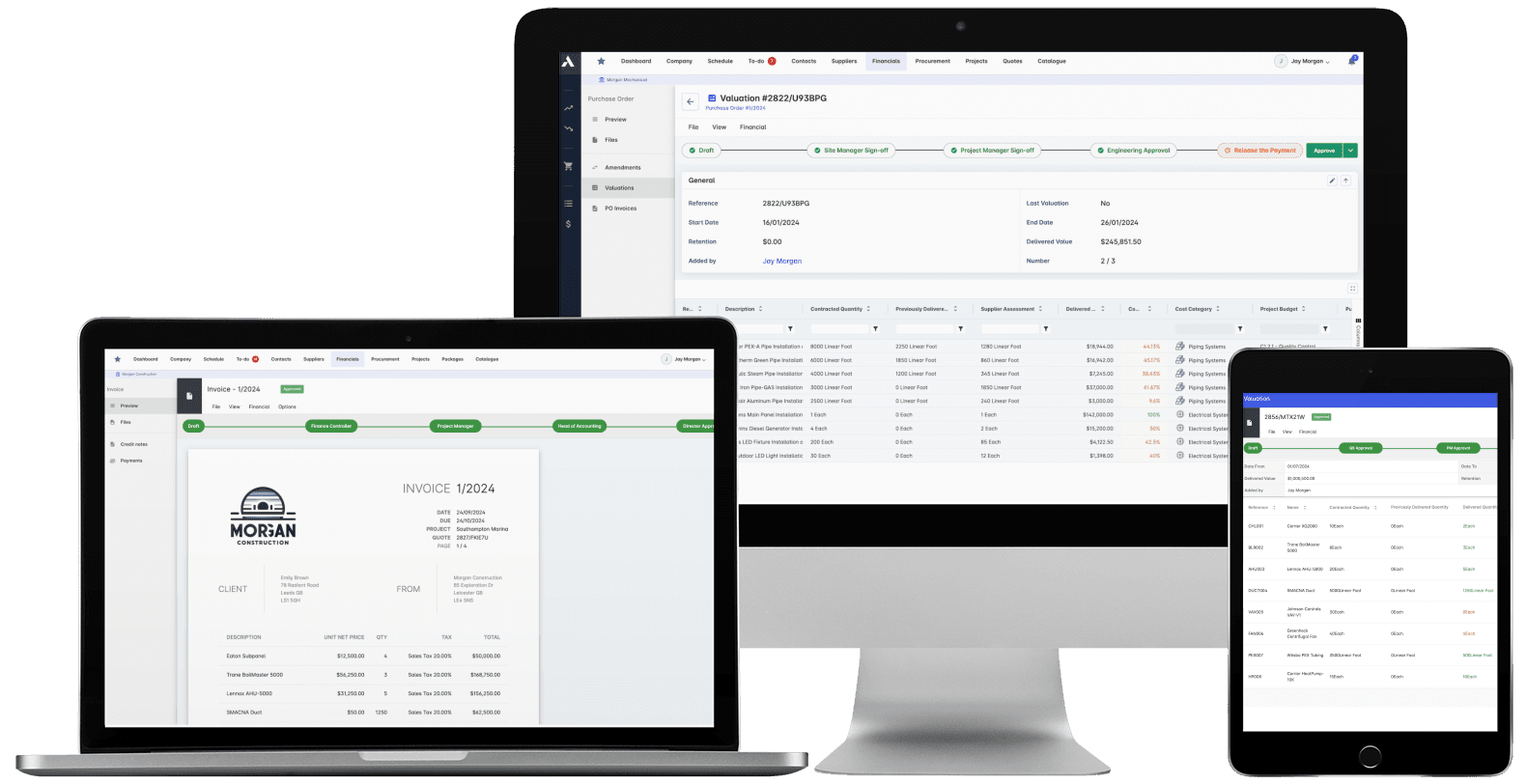
Committed at the PO, earned as work is delivered, invoiced months later. See all three stages against every budget line, so variance is a decision you make, not a number you explain.
Certify subcontractor pay applications down, build client applications up, from the same records. Invoices, payment notices and retainage released on time, with the audit trail attached.
The schedule, the progress and the money in one system. When a task slips you see what it costs, and when scope changes you see what it does to the schedule. 'On track' means the Gantt chart and the bank account.
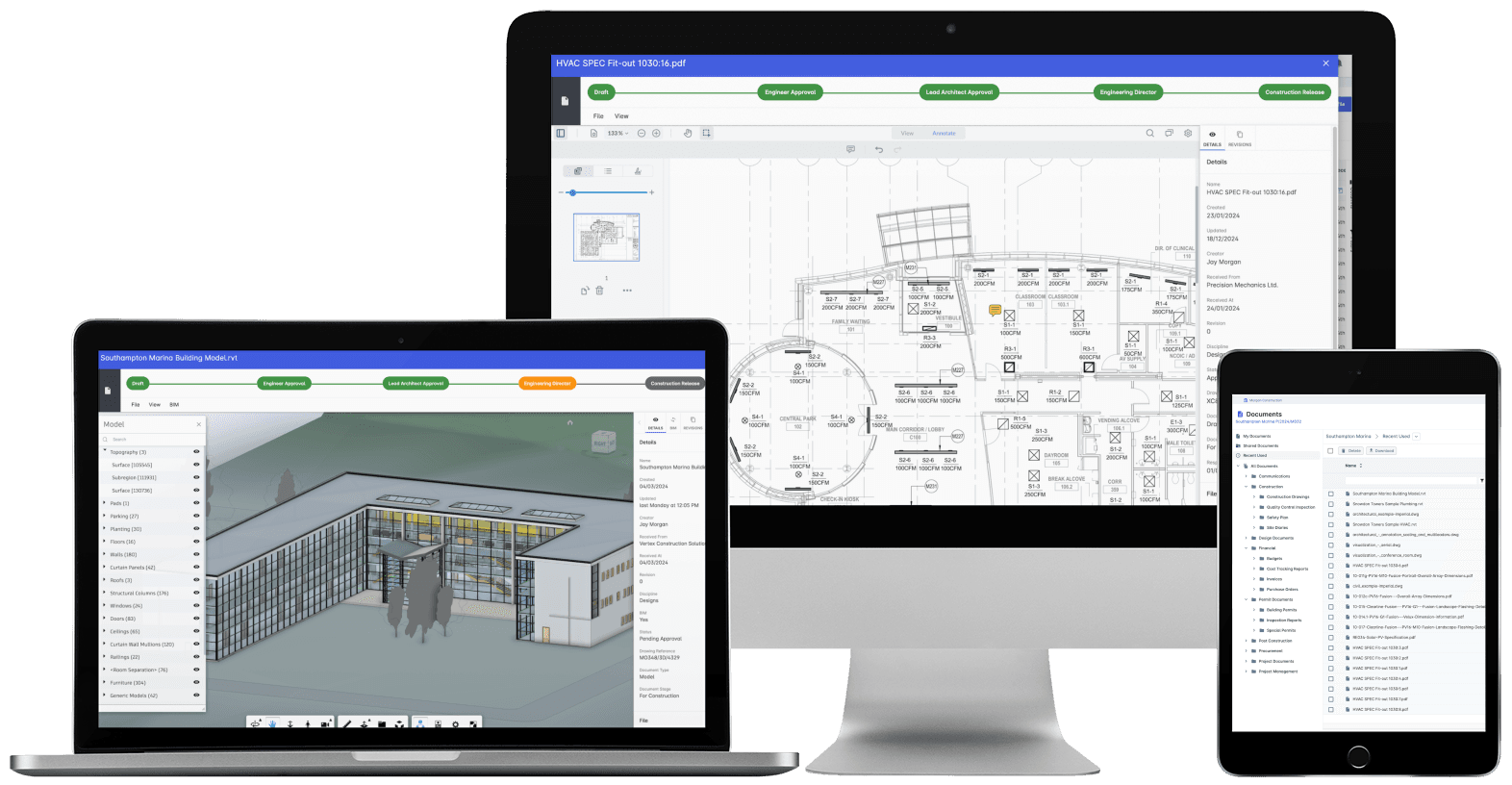
Nobody builds from a superseded drawing. Revision control, approvals and distribution with proof of who received what, when. The record that wins the dispute instead of losing it.
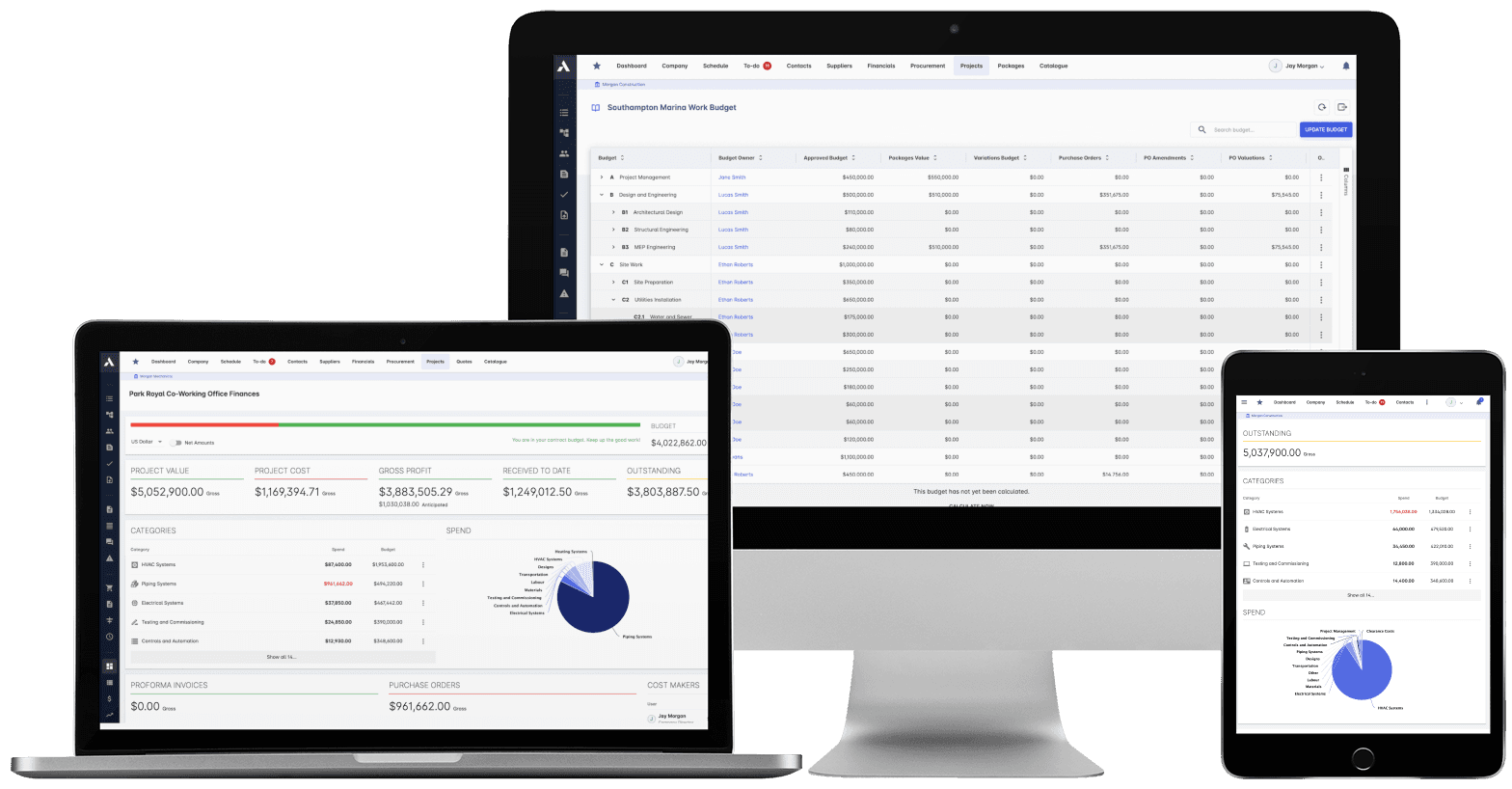
Every project's position, live, from the data that ran the work. Cost, schedule and cash agree with each other because they're the same records. There's nothing to assemble and nothing to reconcile.
What does Archdesk help energy and utility owners manage?
Archdesk helps energy and utility asset owners manage capital programs end to end: capex budgets and approvals, program and project scheduling, framework contractors, long-lead procurement, site and compliance records, change orders, and forecasts, in one connected platform.
Who is Archdesk for in energy and utilities?
Water and wastewater companies, power and gas network operators, energy producers and other asset owners who fund and deliver capital works across an operational estate, whether delivery runs through framework contractors, EPC partners or internal engineering teams.
Can Archdesk run a program of many concurrent projects?
Yes. Archdesk is built for programs, not single projects. Each project carries its own budget, schedule and records, and everything rolls up to program dashboards, so you see the whole portfolio and can still drill into any one site.
How does budget and forecast control work?
Every project runs against an approved budget. Contractor appointments, equipment orders and fees hit it as committed cost the moment they are raised, and forecast final cost rolls up from project to program, so you see which projects are drifting while there is still time in the year to act.
How does Archdesk handle framework contractors?
You put work out to bid and appoint through your frameworks, certify contractor pay applications against recorded progress, and track retainage through to release. Every contractor reports in the same shape, and their cost and delivery record builds across the projects they work on.
How does Archdesk handle long-lead equipment?
Transformers, switchgear, pumps and other made-to-order equipment hit the project budget as committed cost the day the order is raised, and deliveries are tracked against the dates they gate. A slipping factory date shows up in the program months early, not when the outage window opens.
Can site teams and contractors report from the field?
Yes. Site teams complete forms, record inspections, log progress and capture photo evidence from their phones, and contractors submit progress against the same structures. What is recorded lands against the project in real time, so the program view is built from the field, not from monthly returns.
How does Archdesk support compliance and regulatory reporting?
Inspections, test records and photo evidence are captured against each asset as the work happens, and program reporting is built from the same records that run delivery. The evidence behind what you report builds as you deliver instead of being assembled when the deadline lands.
Does the record stay with the asset after handover?
Yes. As-built documentation, test certificates and warranties live against each asset, not in a project folder that goes cold at closeout. When the asset comes up for maintenance, upgrade or investigation, the history is there.
Does Archdesk integrate with accounting software?
Yes. Archdesk integrates with Xero (as a certified partner), Sage, QuickBooks and other accounting systems, so commitments, invoices and payments flow between the program team and finance without re-keying.
See a capital program run end to end
In the demo we walk you through a fully worked program in Archdesk, from budget approval, through delivery on site, to handover and closeout. Book a demo and see.
















-377x320.webp&w=3840&q=75&dpl=dpl_GFvyZWRNr846QU5E8V8rfeGtn6qv)
-377x320.webp&w=3840&q=75&dpl=dpl_GFvyZWRNr846QU5E8V8rfeGtn6qv)