Construction RFI Software for Canadian Projects
Every question on the record, from site to design team.Raise, track and answer RFIs on the project record, with a named owner and a response deadline on every question. Canadian general contractors keep the question, the answer and the full history in one place, from the first query to closeout.
Trusted by construction companies of every size, worldwide


























Questions become project records, not email chains
RFI software for Canadian contractors puts the request for information on the record of the project it concerns. Each question carries a named owner, a response deadline, a priority and a discipline, so the open list shows what is waiting on whom before an unanswered question holds up the site. Trades, consultants and owners take part through branded external forms at no cost, every action from raised to closed is logged with the person and the timestamp, and when a claim or dispute later turns on what was asked and answered, the record is already there, in the same system that holds the documents, site forms and costs of the job.

An owner on every question
Each question carries a named owner and a response deadline, and the open list shows which answers the site is waiting on.
Answers that hold up
Every action is logged with the person and the timestamp, so when a dispute turns on what was asked and answered, the record already exists on the project.
Raised where the work is
RFIs are created on the project they concern, so the question and the answer live on the project record instead of in somebody’s inbox.
Trades and consultants included
Trades, consultants and owners raise and answer RFIs through branded external forms at no cost, with no licences needed for the supply chain.
One system, one project record
RFIs sit with the documents, site forms and costs of the job on one project record, so questions and answers are organized in the system that runs the work instead of scattering across inboxes and separate tools.

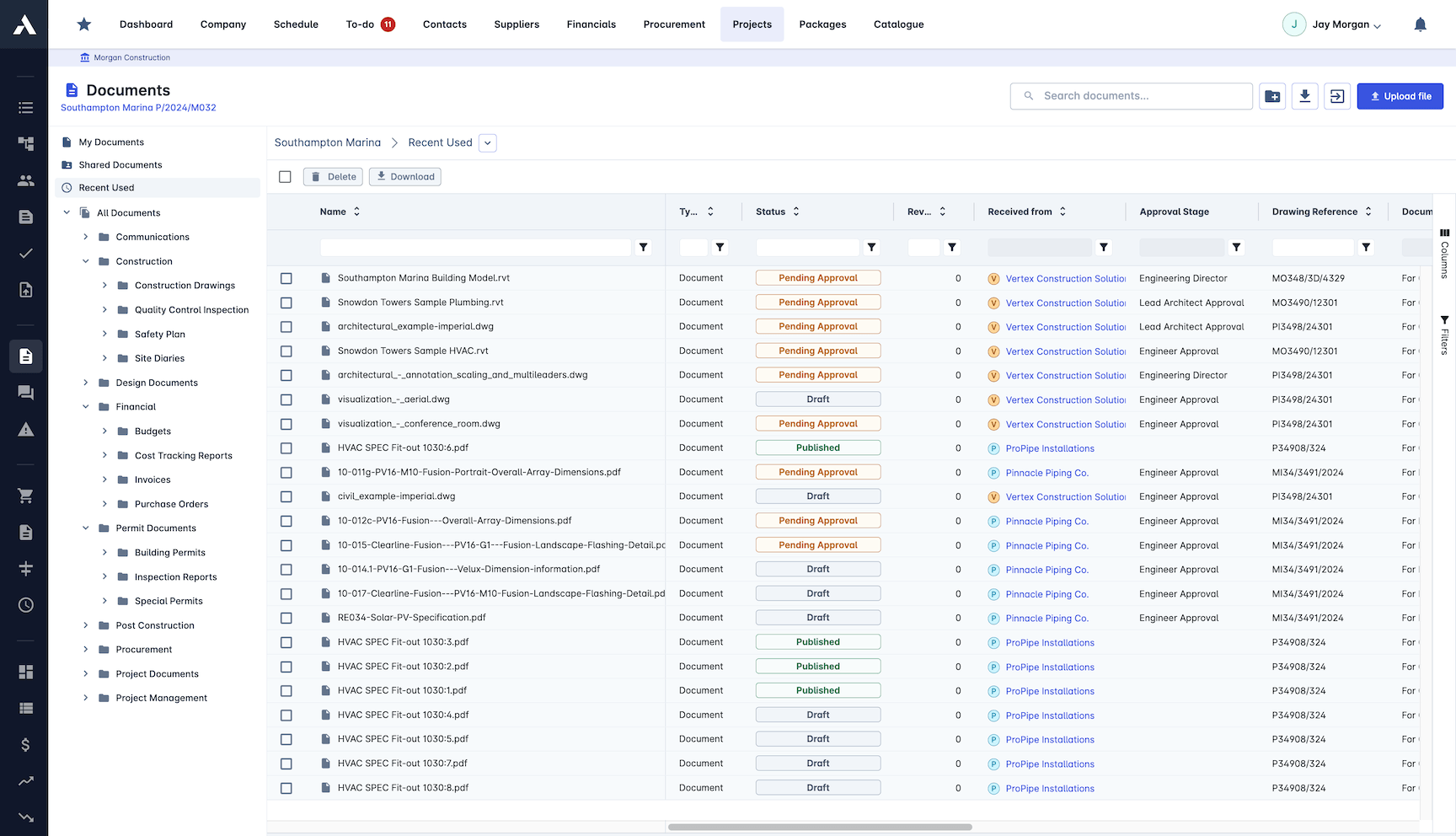
RFIs on the Project Record
RFIs live on the same project record as the documents, drawings and site forms of the job. Whoever answers a question has the controlled documents at hand in the same system: one place, one record, nothing re-keyed between separate tools.
RFIs and documents on one project record
Version control on the project documents
One project record across office and site
No re-keying between separate RFI tools
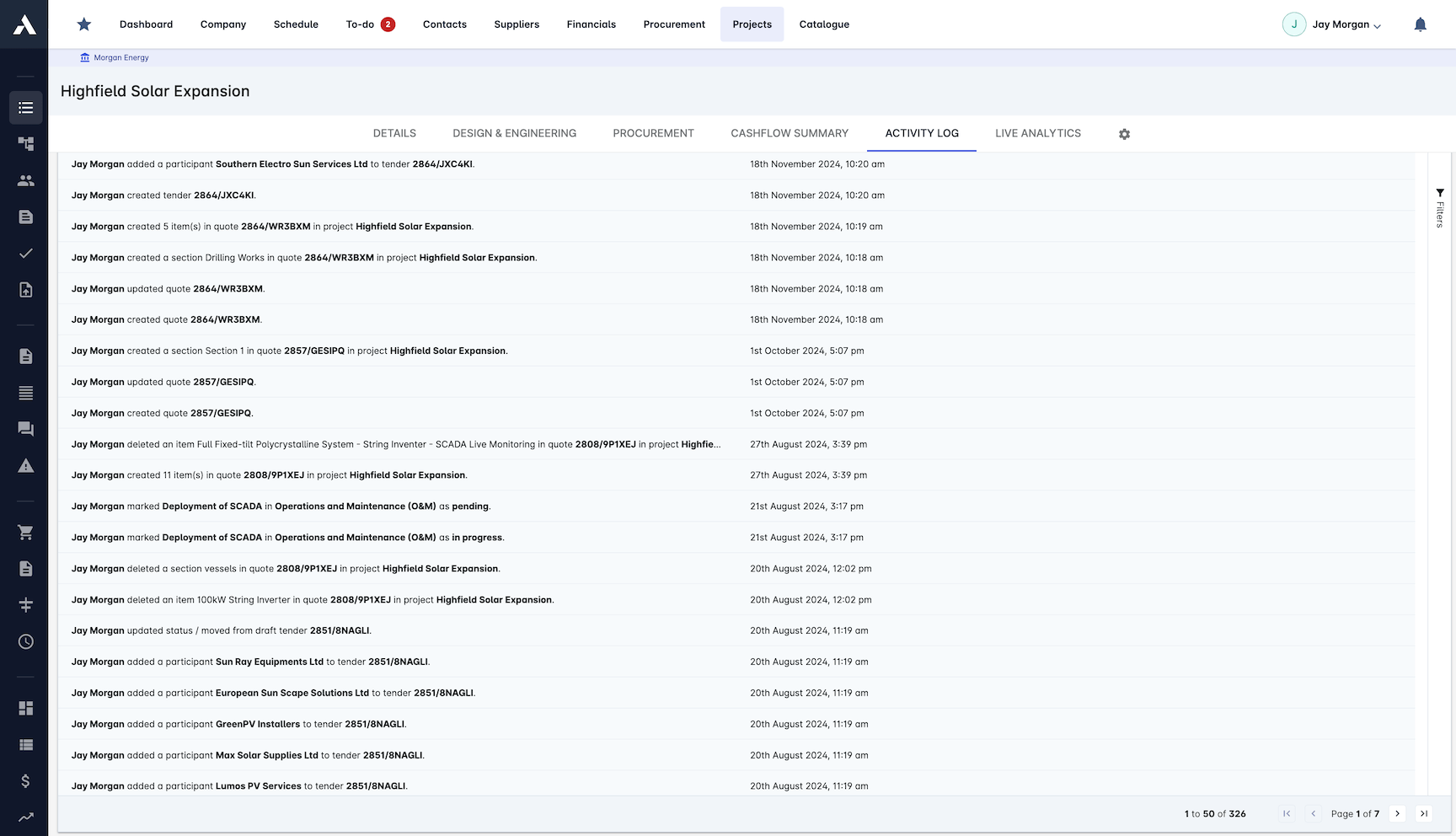
Full Audit Trail
Every action on an RFI is logged with who did it and when: raised, reassigned, answered, closed. When a claim or dispute turns on what was asked and what was answered, the record is already there.
Every action logged with person and timestamp
The question and the answer kept together
History preserved through reassignments
The record that settles who-said-what
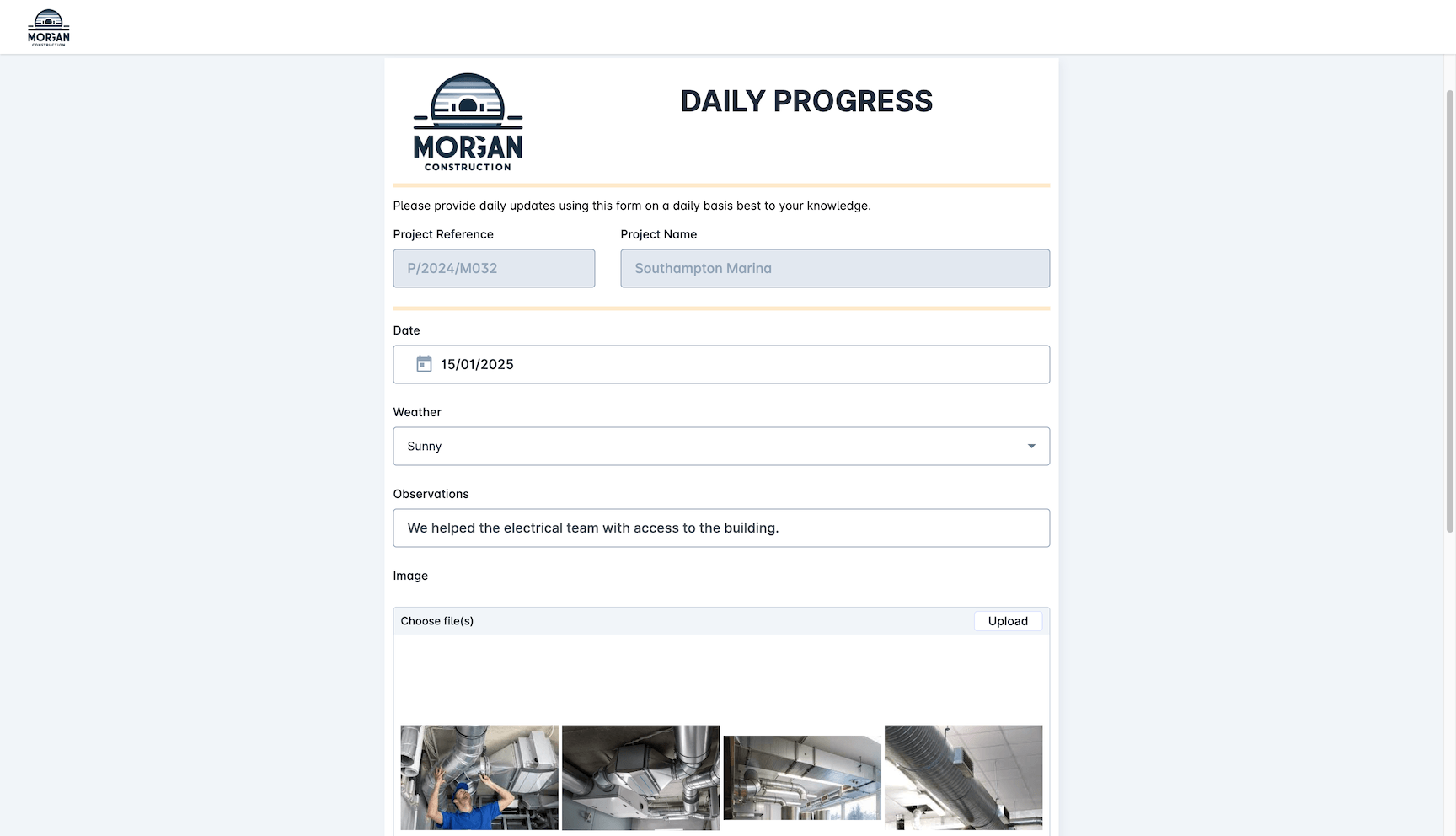
Subcontractor RFI Handling
Subcontractors raise questions and submit responses through branded external forms, without needing an Archdesk license. Their question lands on the right project the moment they send it, and the answer goes back through the same record.
External collaborators submit RFIs at no cost
Branded forms shared by a simple link
Questions land on the right project automatically
Responses recorded against the originating RFI
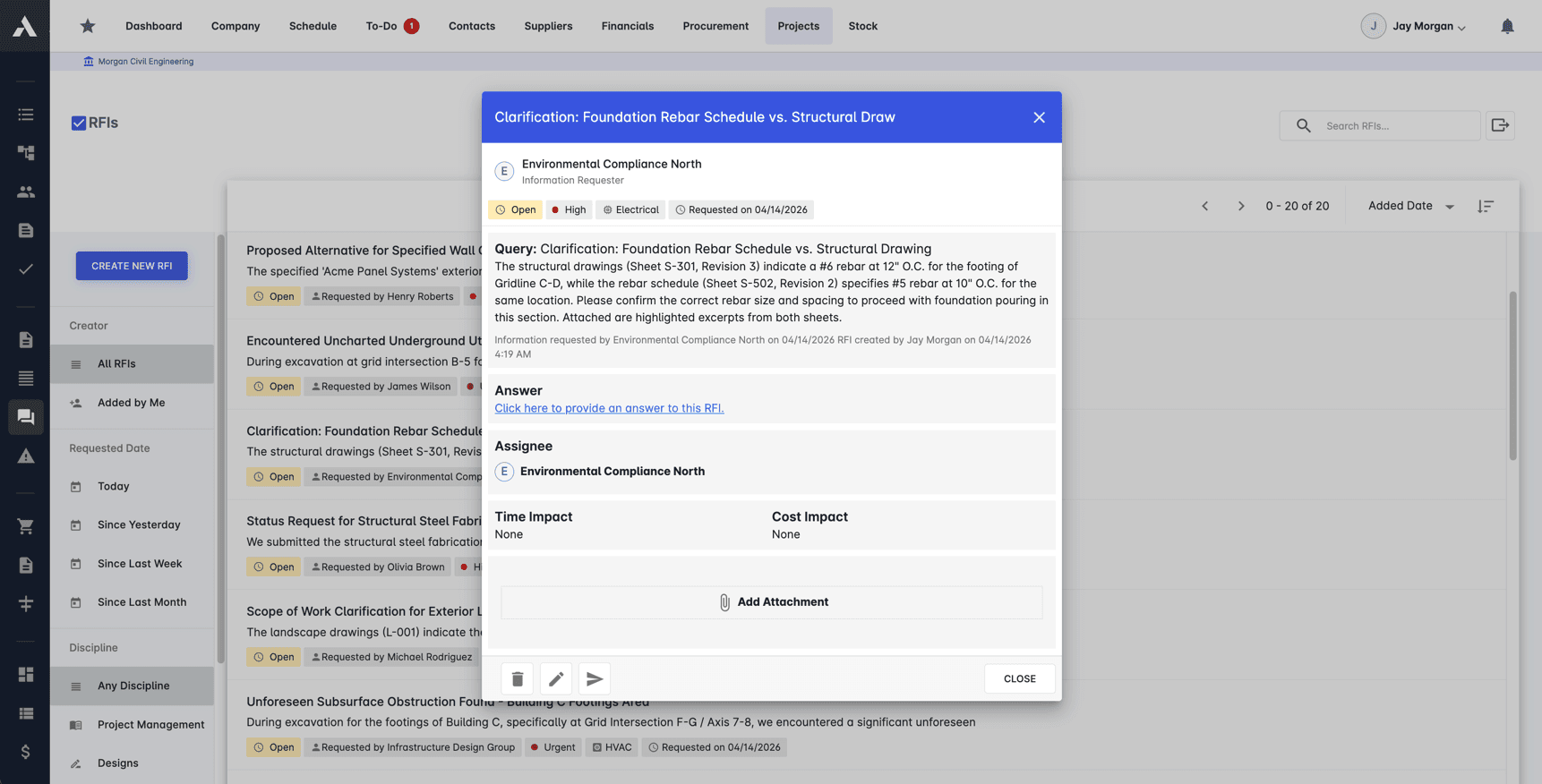
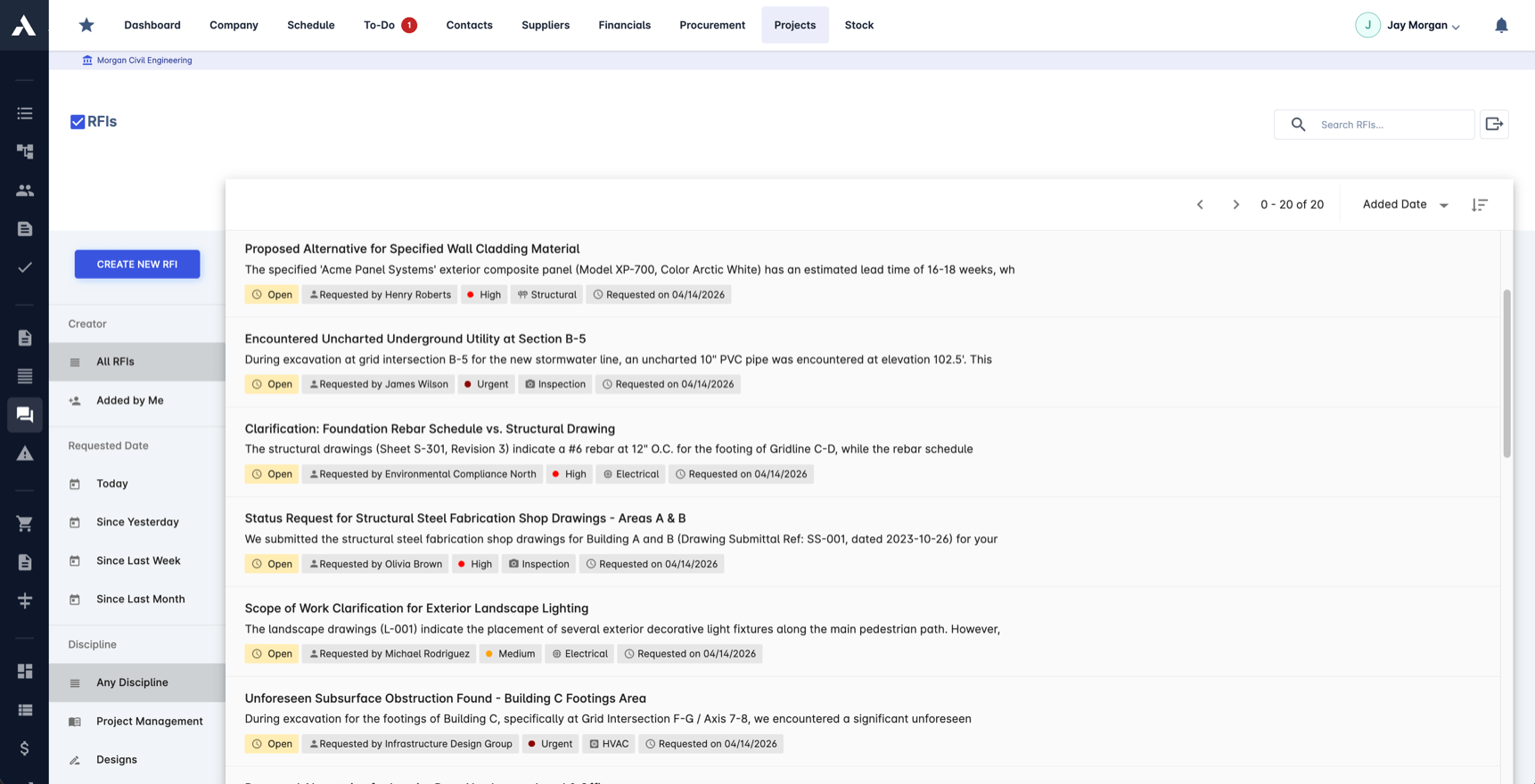
RFI Creation and Tracking
Every request for information is raised on the project it concerns, with an owner, a response deadline, a priority and the discipline it belongs to. The open list shows what is waiting on whom, filterable by date and discipline, so questions stop living in inboxes and start living on the record.
RFIs raised on the project record
An owner and a response deadline per RFI
Status, priority and discipline on every question
Time and cost impact recorded with the answer
Response Workflows
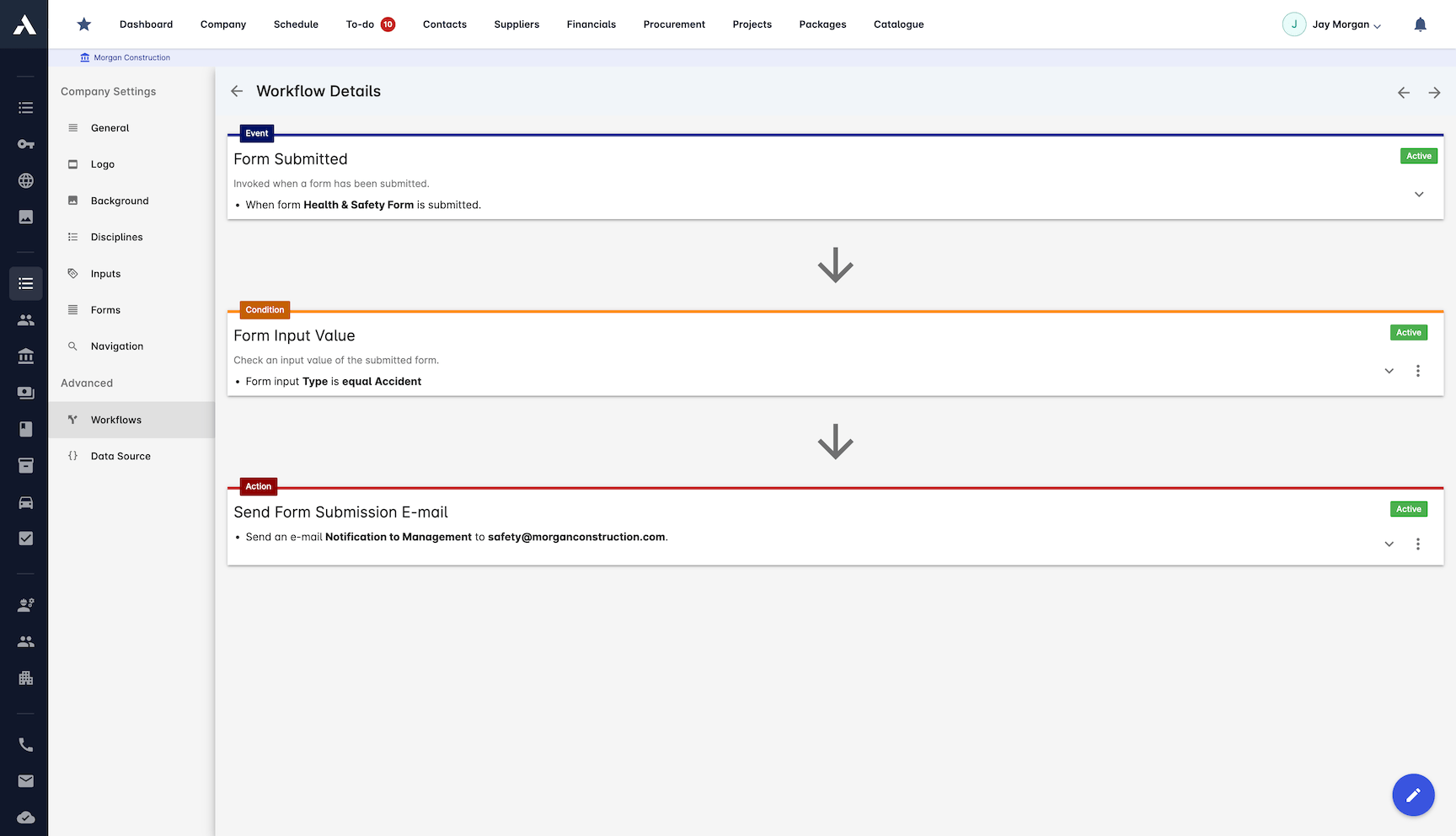
Workflows route each RFI to the person who owns the answer. A submitted question can notify the design lead, a commercial query can go to the quantity surveyor, and the requester hears back the moment the response is in.
Notifications sent when an RFI is submitted
Conditions route questions by type or discipline
The right owner alerted, not a shared inbox
Requesters notified when the answer lands
How to judge RFI software
Every serious RFI tool makes the same promises, so the differences show up in the details. These are the criteria worth testing before you choose, and how Archdesk answers each one.
Status you can see at a glance
The open-RFI list should show what is waiting on whom before it holds up the site. In Archdesk every question carries an owner, a deadline, a priority and a discipline, so the list reads as a work queue, not an archive.
Accountability that survives a dispute
When a claim turns on what was asked and answered, the audit trail is the evidence. Archdesk logs every action with the person and the timestamp on the project record.
The whole supply chain, without licenses
RFIs fail when half the parties answer by email because seats cost money. Subcontractors, consultants and clients take part in Archdesk through free external forms.
Questions that live with the project
An RFI raised in a standalone tool still has to find its way back to the job. Archdesk raises RFIs on the project record itself, alongside the documents, site forms and costs of the same job: one place, one record.
New to the process? Read the complete guide to RFIs in construction or start from the free RFI log template.
Frequently Asked Questions: Construction RFIs
What is an RFI in construction?
An RFI (request for information) is the formal question one project party asks another when drawings, specifications or scope are unclear: a subcontractor asking the design team to clarify a detail, or a general contractor querying a specification conflict. The answer often changes the work, so mature teams treat RFIs as project records with owners, deadlines and a full history, not as email threads.
How does Archdesk track construction RFIs?
Each RFI is raised on the project it concerns with a reference number, an owner and a response deadline. Status is tracked from raised to closed, the open list shows what is waiting on whom, and every action is logged with the person and timestamp. The question, the answer and the documents they relate to stay together on one project record.
Can subcontractors raise and answer RFIs without an Archdesk license?
Yes. External collaborators such as subcontractors, clients and consultants work through branded external forms shared by a link, at no cost. Their questions and responses land on the right project record automatically, so the whole supply chain takes part in the RFI process without buying seats.
How do RFIs connect to project documents and drawings?
RFIs and project documents live on the same project record, so a question about a drawing or specification is raised, answered and stored in the same system that holds the controlled documents, not in a separate email thread. Documents on the record carry version control, and each RFI keeps its own full history from raised to closed.
How do response deadlines and reminders work?
Every RFI carries an owner and a response deadline, and workflows notify the right person when a question is submitted or answered. Because open RFIs are visible per project with their deadlines, overdue questions surface on the record rather than hiding in an inbox.
Why manage RFIs in the same system as cost and site records?
Because RFI answers change scope, and scope changes cost. When RFIs live with the change orders, budgets and site forms of the same project, the commercial consequence of an answer is priced in the same system that recorded the question, with an audit trail across the whole chain.
Do trades need Archdesk seats to take part?
No. Trades, consultants and owners work through branded external forms shared by a link, at no cost. Their questions land on the right project automatically and their answers are recorded against the originating RFI, so the whole supply chain takes part without buying seats.
How are RFIs kept from going stale?
Every RFI carries an owner and a response deadline, and workflows notify the right person when a question is submitted or answered. Open questions are visible per project with their deadlines, so an overdue answer surfaces on the record instead of hiding in an inbox.
Can I see open questions across every project?
Yes. Because RFIs live on their project records in one platform, open questions, owners and deadlines report at project and portfolio level, so head office reads which jobs are waiting on answers without chasing each site for a list.
How does the RFI record help in a dispute?
Each RFI keeps its question, its answer and its full history together, logged with the person and the timestamp, through every reassignment. When a claim turns on what was asked, when it was answered and who was told, the record is read from the project, not rebuilt from email.
Explore Related Solutions
Everything below runs in the same system, working from the same live data.
Document Management
Centralize document handling and access
BIM Integration
2D & 3D Support for Building Information Modeling
Common Data Environment (CDE)
Issue documents to external stakeholders
Discover more
Explore the full range of solutions and find the right fit for your business.
See your next project on Archdesk
Book a demo and walk through a fully worked example project: one platform running everything from winning the work to closing it out.
Book a Demo